Winnipeg's Three City Halls: History, Archives & a Downtown Visit
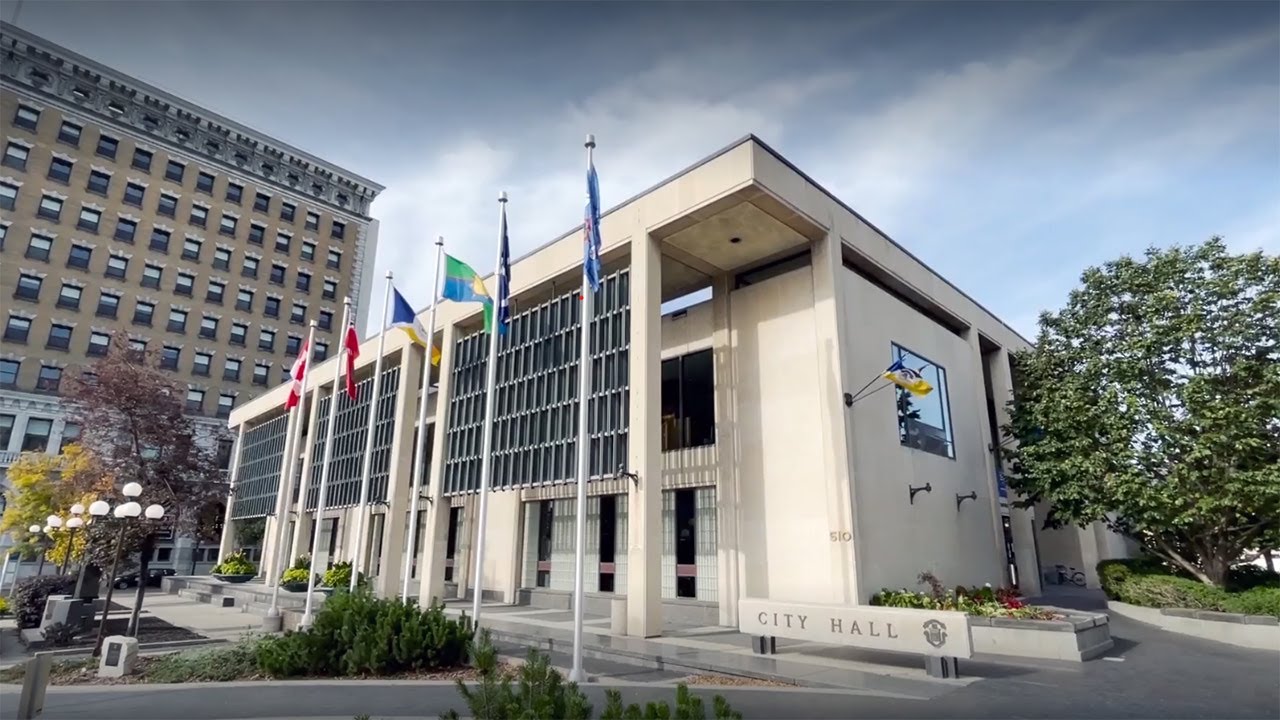
The City of Winnipeg recently published a concise history of how we ended up with the civic campus on Main Street today, not one building, but three successive City Halls over roughly ninety years. The story ties together boom-era ambition, structural headaches, mid-century renewal, and the bylaws and decisions that literally shaped the city. If you are staying in Corydon or Crescentwood, City Hall is a short trip downtown and a useful anchor for understanding Winnipeg’s past.
The original piece is on the city’s Our City, Our Stories series; below is a guest-friendly summary, plus how to dig deeper with the History in Focus archives database.
Why it matters: Heritage Officer Murray Peterson notes that important bylaws and initiatives that shaped Winnipeg as we know it were approved in these buildings, so the site is more than architecture; it is where much of the city’s governance story unfolded.
First City Hall (1876): cornerstone holiday, then trouble
Winnipeg was incorporated in 1873, and council soon prioritized a permanent place to meet and pass bylaws. Construction on the first City Hall began in August 1875 along Main Street between William and Market Avenues, essentially where the current complex stands. When the cornerstone was laid, local businesses reportedly declared a holiday, and more than five hundred people were said to have witnessed the ceremony.
The building opened on March 14, 1876, at a cost of nearly $40,000, a very large sum for the period. It did not stay sound for long: chronic structural problems worsened until walls had to be propped up. Within seven years of opening, the building was judged unsound and demolished.
Second City Hall (1886): the “Gingerbread” era
The replacement, completed in 1886, is the famous “Gingerbread” City Hall, often described as a Victorian fantasy. Designed by Barber and Barber and built by Robert Dewar, it symbolized a fast-growing city: within fifteen years of having a population under seven hundred, Winnipeg had erected a grand civic landmark.
By the early 1900s, talk of yet another replacement had begun; a design competition in 1913 produced a winning scheme that might have replaced the Gingerbread building, then the First World War intervened, and the 1886 hall stood for decades longer.
Current City Hall (from 1964): post-war planning
After the Second World War, concerns about the old hall’s structural integrity led to study, debate, and eventually the demolition of the Gingerbread building in 1962. A design competition in the 1960s was won by the Winnipeg firm Green Blankstein Russell Associates, in line with post-war trends in architecture and urban planning.
The present City Hall opened on October 5, 1964. The original plan envisioned two main buildings (one for Council and one for the public service) with the site expanding west to include a parkade and a Public Safety Building that later housed the Winnipeg Police Service and Winnipeg Fire Paramedic Service headquarters. Today, the Council Building and the administration tower now known as the Susan A. Thompson Building remain on the site.
From Corydon: City Hall sits on Main between William and Market, easy to pair with the Exchange District, The Forks, or a walk through downtown. The civic campus is a practical stop if you want context for street names, old photos, and how the core was replanned in the 1960s.
City Archives: History in Focus
To go beyond the headline dates, the City of Winnipeg Archives maintains History in Focus, an online database where you can search and explore photographs, records, and other material that document Winnipeg’s past. It is the natural next step after reading the city’s three City Halls article: plug in neighbourhoods, buildings, or topics and you will often find primary sources that explain how the city looked and worked in earlier decades.
Whether you are a visitor curious about Main Street’s layers or a local researching family or street history, History in Focus rewards a slow browse. Combine it with a walk past the Council Building’s public spaces and you get a clearer picture of how today’s Winnipeg relates to the 1876 cornerstone and the Gingerbread hall that followed.
Further reading
For the full narrative and imagery from the city’s heritage team, read A history of Winnipeg’s three City Halls on winnipeg.ca. Then open History in Focus to explore the archives, and plan a downtown afternoon from your stay near Corydon.