Winnipeg's Exchange District: A Self-Guided Walk Through the Warehouses, Murals and Restaurants
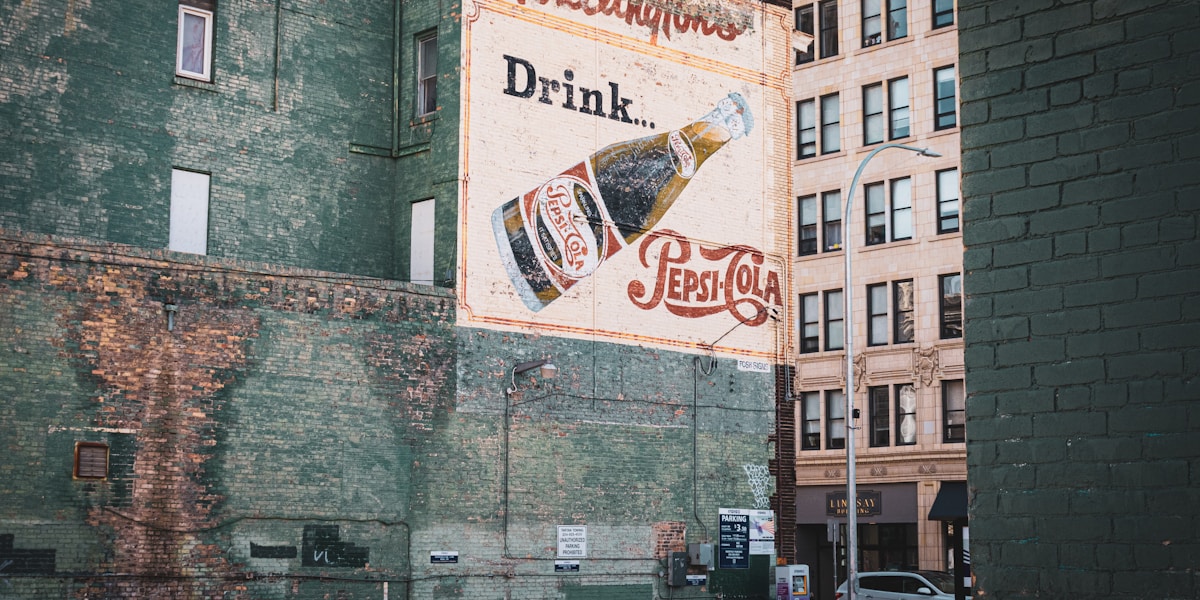
The Exchange District is a 20-block National Historic Site with North America's largest collection of early twentieth-century terracotta and cut-stone warehouses, built when Winnipeg was called the Chicago of the North. This guide maps a walk through the highlights, from Old Market Square to the murals and galleries, and lists where to eat and drink along the way.
The Golden Age of Architecture
The Exchange District was built during Winnipeg's boom years, roughly between 1880 and 1920, when the city was one of the fastest-growing in North America. The district gets its name from the Winnipeg Grain Exchange, which was located here and played a crucial role in the city's development as a major grain trading center.
During this period, Winnipeg's wealth and importance attracted some of the continent's best architects, who designed buildings in styles ranging from Chicago School to Beaux-Arts, Richardsonian Romanesque, and Art Deco. The result is a stunning collection of architecture that tells the story of a city at the height of its prosperity.
Architectural Highlights
Walking through the Exchange District is like visiting an open-air museum. Some notable buildings include:
Union Tower
One of the district's most recognizable landmarks, this 10-story building was completed in 1904 and features beautiful terracotta detailing and a distinctive clock tower.
Old Market Square
This public square is the heart of the Exchange District, hosting festivals, markets, and events throughout the year. The surrounding buildings showcase the district's architectural diversity.
Royal Albert Arms Hotel
This historic hotel building has been beautifully restored and now houses restaurants and offices, maintaining its original character while serving modern needs.
Grain Exchange Building
The building that gave the district its name, this structure represents the importance of grain trading to Winnipeg's economy and growth.
Art and Culture
Today, the Exchange District is Winnipeg's cultural hub, home to numerous art galleries, theaters, and creative spaces:
- Art Galleries - The district is home to many of Winnipeg's best galleries, showcasing local and international artists
- The Royal Manitoba Theatre Centre - One of Canada's premier regional theaters
- Independent Cinemas - Art house and independent film venues
- Live Music Venues - From intimate clubs to larger concert halls
Dining and Nightlife
The Exchange District has become one of Winnipeg's premier dining destinations, with restaurants ranging from casual cafes to fine dining establishments. Many are housed in beautifully restored historic buildings, creating unique atmospheres that blend old and new.
The area also comes alive at night, with bars, pubs, and clubs offering entertainment for every taste. The district's compact size makes it perfect for a night out, with multiple venues within easy walking distance.
Walking Tours
One of the best ways to experience the Exchange District is on foot. The area is perfect for walking, with wide sidewalks and relatively flat terrain. Many organizations offer guided walking tours that provide historical context and point out architectural details you might otherwise miss.
If you prefer to explore on your own, pick up a self-guided tour map or simply wander the streets. The architecture itself tells a story, and you'll discover something new around every corner.
Looking for guided tours? Check our discounted tours and experiences page for exclusive deals on Exchange District walking tours, private city tours, smartphone audio tours, scavenger hunts, and other Winnipeg experiences. You'll find everything from historical walking tours to interactive mystery experiences that bring the Exchange District's stories to life.
Pro Tip: Visit the Exchange District during the day to appreciate the architecture, then return in the evening to experience the vibrant nightlife. The area is safe and well-lit, making it perfect for evening strolls. Many buildings have interpretive plaques that provide historical information, so keep an eye out for these as you explore.
Preservation and Revitalization
The Exchange District's preservation is a testament to Winnipeg's commitment to honoring its history. In the 1970s, when many cities were demolishing their historic buildings, Winnipeg recognized the value of this architectural treasure and worked to protect and revitalize it.
Today, the district is a model of successful urban preservation, showing how historic buildings can be adapted for modern use while maintaining their character and significance. The careful balance between preservation and development has created a neighborhood that's both historic and vibrant.
Getting There
The Exchange District is located just north of Portage Avenue in downtown Winnipeg, making it easily accessible from our Airbnb in Crescentwood. It's about a 10-minute drive or easily reached by public transit. The area is also very walkable, so you can easily spend a full day exploring.
Why the Exchange District Matters
The Exchange District is more than just a collection of old buildings; it's a living testament to Winnipeg's history and a vibrant part of its present. It shows how a city can honor its past while building for the future, creating spaces that are both historically significant and dynamically alive.
Whether you're interested in architecture, history, art, dining, or simply want to experience one of Winnipeg's most unique neighborhoods, the Exchange District offers something special. It's a place where the past and present coexist beautifully, creating an atmosphere that's both nostalgic and forward-looking.
Take your time exploring, look up at the architectural details, step into the galleries and shops, and imagine what this area was like during Winnipeg's boom years. The Exchange District is a reminder that great cities are built on great foundations, and Winnipeg's foundation is truly remarkable.