Winnipeg's Seasons: A Visitor's Weather Guide
Winnipeg sits near the geographic centre of North America, far from any ocean, which gives it one of the most sharply divided climates of any Canadian city. Locals call it "Winterpeg" for a reason, but the same continental climate that produces a hard winter also produces a genuinely warm, long-daylight summer. Knowing which season you're landing in changes what you pack more than almost any other Canadian city trip.
Winter: late November to March
This is the season Winnipeg is known for. Environment Canada has repeatedly ranked it among the coldest cities of its size in the world, with January averaging well below freezing and cold snaps that can push actual air temperature past -30°C, before wind chill. The prairie location means little to block the wind, so a still -15°C day feels very different from a windy one at the same reading.
None of this makes winter unpleasant if you're dressed for it. A real winter coat rated for the cold, insulated boots, a hat that covers your ears, and mitts over gloves handle almost anything the season throws at you. Sidewalks and roads are ploughed and salted quickly after snowfall, and Winnipeggers are outside all winter regardless. Our guide to winter activities covers what there is to do once you're dressed for it, including outdoor skating on the frozen rivers downtown.
Spring: April into May
Spring arrives fast and does not linger. Snow that has piled up all winter melts within a few weeks, city-wide flood-watch season kicks in as the Red and Assiniboine rivers break up their ice, and sidewalks alternate between dry and muddy day to day. It's a shoulder season in every sense: too early for patios most years, too late for winter activities, and the least predictable few weeks on the calendar. Our guide to Winnipeg's spring river thaw covers the timing in more detail if you're visiting in this window.
Summer: June to August
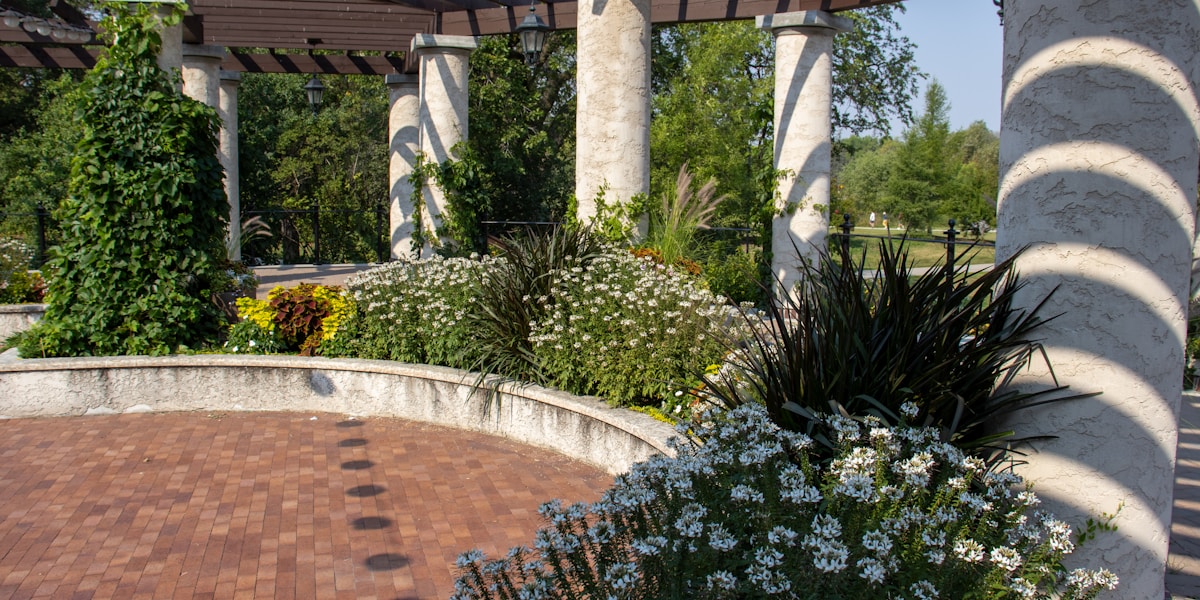
Summer is where the "continental" part of the climate pays off. Long daylight hours (sunset well past 9pm in late June), average highs in the mid-20s Celsius, and stretches that push into the low-30s are all normal. Patios open across the city, and this is peak season for festivals, the riverwalks at The Forks, and evenings on Corydon Avenue. Prairie summers also bring mosquitoes in wetter years, particularly near the rivers at dusk; a light repellent is worth packing along with the shorts.
Fall: September into October
Fall is short but often the most comfortable season to visit: crisp, cooler air, fewer bugs, and some of the best light of the year for walking the city's older neighbourhoods. It's also when Winnipeg's substantial elm canopy turns colour, covered in our guide to fall colours around the city. Temperatures can still swing widely within the same week, so a layer you can add or shed is more useful than a single heavy or light jacket.
Packing rule of thumb: check the forecast for your actual travel dates rather than the season average. Winnipeg's day-to-day swings, especially in spring and fall, are often larger than the difference between two "typical" months.
Staying at the Corydon Airbnb: whatever the season, the Crescentwood home is a short walk from Corydon Avenue's cafes and restaurants for warming up or cooling down between outings. Check current availability on our Airbnb listing.