Where to see fall colours in and around Winnipeg
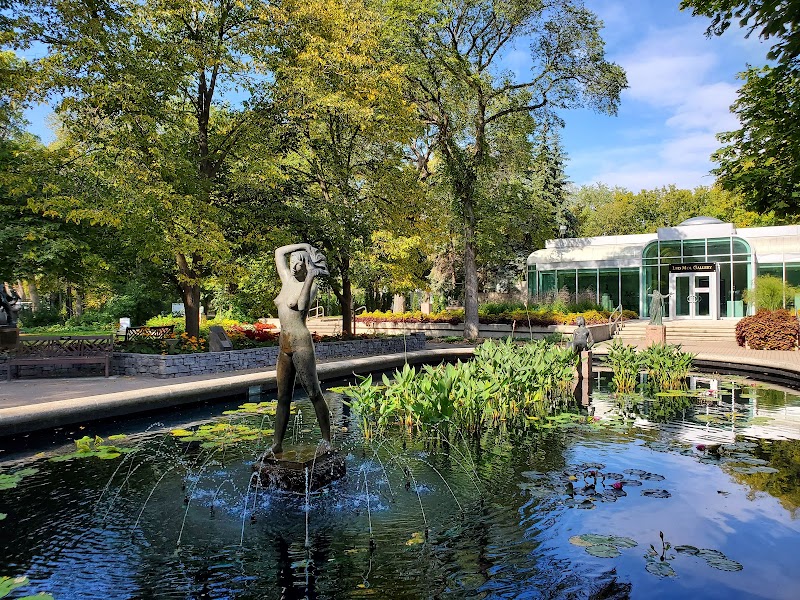
Fall in Winnipeg does not linger. The city sits far enough north and far enough inland that the colour turns fast and the leaves come down before it can drag on for a month the way it does in milder climates. That makes timing the visit worth a little planning, but it also means the payoff is concentrated: for a few weeks, ordinary streets and parks turn genuinely dramatic.
When the colour turns
Broadly, Winnipeg's colour season runs from mid-September into early October, though the exact week shifts with frost timing and how warm the preceding summer ran. Because the change happens quickly here compared to points south, a visit planned for "sometime in October" without checking closer to the date risks arriving after the leaves are already down. If the trip dates are flexible, watching a local fall colour report or Tourism Winnipeg's seasonal updates in the weeks beforehand is more reliable than working off a fixed calendar date.
Kildonan Park and the elm canopy
Winnipeg is home to the largest mature urban elm forest left in North America, with roughly 160,000 American elms still standing, most of them lining public boulevards rather than growing in a single forest block. That is a direct result of Dutch elm disease having devastated elm populations almost everywhere else on the continent; Winnipeg has held on to its canopy only through an active, ongoing management program, and the city still loses thousands of elms to the disease every year. Kildonan Park, on the Red River in the city's north end, is one of the best places to see what that canopy looks like at its most spectacular, with its mature elms and ashes turning gold around the park's walking paths and the Witch's Hut.
Assiniboine Park's English Garden
Assiniboine Park, Winnipeg's largest and best-known park, is an easier stop for most visitors and pairs the same elm-and-oak canopy with formal garden structure: the English Garden's pond and sculpture walk framed by turning leaves is one of the more photographed fall scenes in the city, and it sits next to the Leaf, the zoo, and the park's other attractions if a shorter visit is the goal.
Bois-des-Esprits, off the beaten path
For something less manicured, Bois-des-Esprits is the largest remaining riverbank forest inside city limits, a roughly 117-acre stretch along the Seine River in St. Vital that holds five distinct habitats, from riverbottom to oak forest to grassland. A roughly 4-kilometre trail runs through it between Shorehill Drive and John Bruce Road, following the river on one side and cutting through the forest interior on the other, and it reads much more like a wild woods walk than a city park, elm-disease carvings along the trail included.
Closer to home
Not every good stretch of fall colour requires a drive. Older River Heights, Wolseley, and Crescentwood streets carry some of the city's heaviest elm cover, including Wellington Crescent, whose boulevards are part of the same canopy that gives Kildonan and Assiniboine Park their colour. A slow walk or drive down Wellington Crescent in late September costs nothing and needs no admission.
Staying at the Corydon Airbnb: Crescentwood's own streets are part of that elm canopy, and Wellington Crescent is a short walk or drive away, so a fall colour walk can start right from the door before venturing further to Kildonan Park or Assiniboine Park.