Winnipeg Transit History: A Journey Through Time
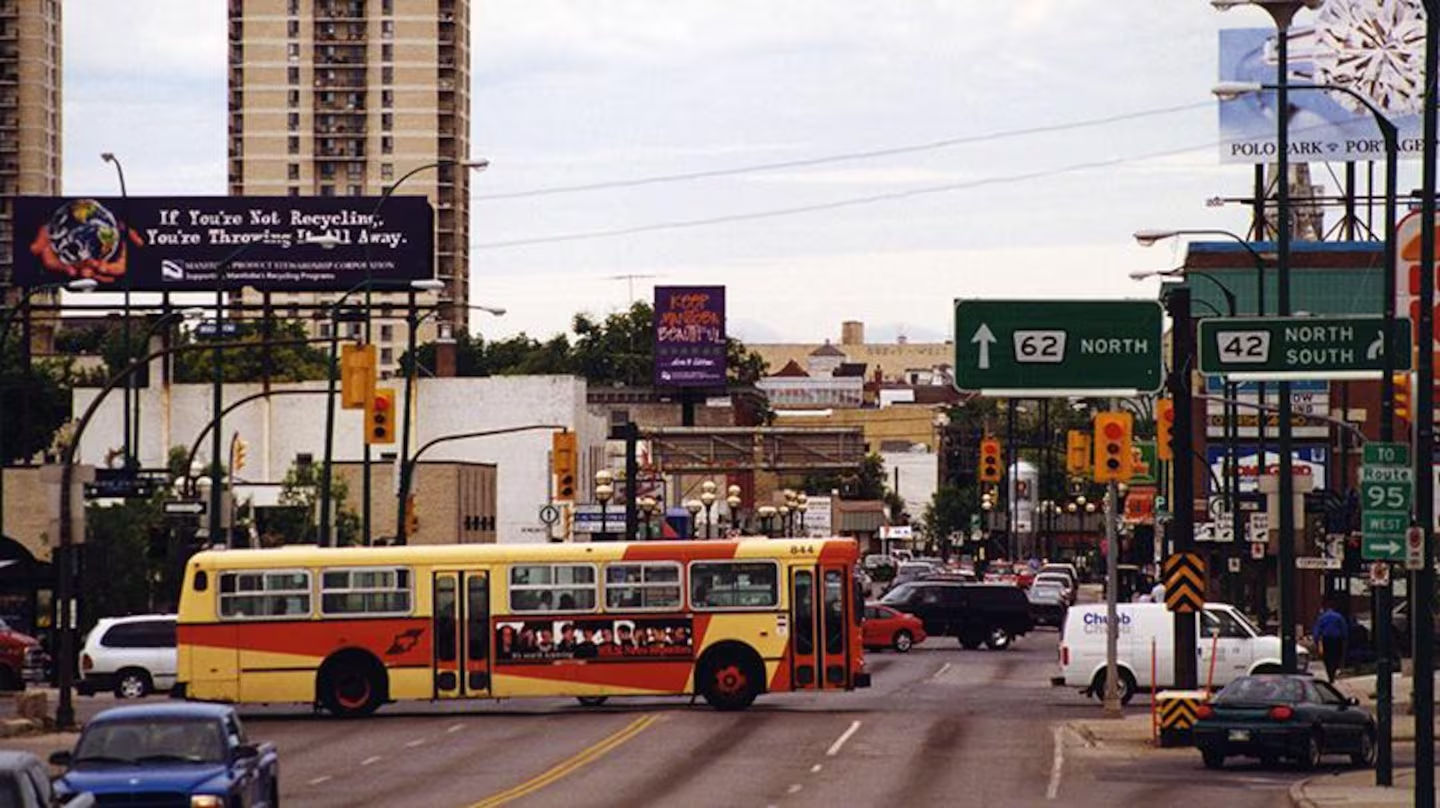
Winnipeg's public transportation system has been an integral part of the city's growth and development for over a century. From the early days of horse-drawn streetcars to the modern fleet of buses that serve hundreds of thousands of passengers today, Winnipeg Transit has evolved alongside the city itself. Recently, a remarkable collection of more than 6,000 historical photographs has been preserved and digitized, offering a unique window into how transportation shaped (and was shaped by) Winnipeg's transformation into the vibrant city we know today.
Preserving a Transportation Legacy
The City of Winnipeg Archives recently received an extraordinary donation: over 6,000 photographs documenting the complete history of Winnipeg Transit. These images, carefully preserved in more than 26 binders, represent decades of documentation that could have easily been lost to time. The collection spans from the 1880s to recent years, capturing every era of the city's public transportation evolution.
This preservation effort ensures that future generations can understand how Winnipeg's transit system developed, how it connected neighbourhoods, and how it reflected the changing needs and priorities of the city. The photographs don't just show vehicles; they capture street scenes, neighbourhoods, buildings, and daily life in Winnipeg across different eras, making them valuable historical documents beyond their transit focus.
Digital Access: While the complete collection is housed at the City of Winnipeg Archives, many of these historic photographs are now available to view online. An exhibit showcasing selected images is also on display at Winnipeg City Hall, offering residents and visitors a chance to explore this remarkable visual history.
From Horse-Drawn Carts to Electric Streetcars
The earliest photographs in the collection show a Winnipeg that would be almost unrecognizable to modern residents. Horse-drawn carts and early streetcars navigated dirt streets, connecting the growing city's neighbourhoods. These images capture a time when public transportation was still in its infancy, serving a much smaller population in a city that was rapidly expanding.
The transition to electric streetcars marked a significant milestone in Winnipeg's development. These vehicles, powered by overhead wires, could carry more passengers and travel faster than their horse-drawn predecessors. The streetcar system became the backbone of Winnipeg's public transportation, with routes extending throughout the city and making it easier for residents to live further from the city centre while still maintaining easy access to downtown.
Photographs from this era show streetcars operating in neighbourhoods like St. Boniface, along major thoroughfares like Donald Street, and through the Exchange District. These images are particularly valuable because they also document the built environment, showing buildings, storefronts, and street scenes that have changed dramatically over the decades. For historians and architecture enthusiasts, these transit photographs serve as an unexpected but rich source of urban history.
The Streetcar Era: Connecting a Growing City
Winnipeg's streetcar system reached its peak in the early to mid-20th century, with extensive routes that connected virtually every neighbourhood. The photographs from this period show a city that was designed around public transportation, with streetcar lines determining where development occurred and how people moved through the urban landscape.
These images capture more than just transit vehicles; they show how streetcars shaped daily life. Passengers waiting at stops, conductors collecting fares, and the integration of streetcars into the fabric of neighbourhoods all appear in these historical photographs. The collection includes images of streetcar infrastructure like maintenance facilities, power stations, and the network of overhead wires that powered the system.
Neighbourhood Development: The streetcar system played a crucial role in Winnipeg's expansion. Neighbourhoods like Crescentwood, where our Airbnb is located, developed in part because streetcar lines made them easily accessible from downtown. The transit system didn't just serve existing communities; it helped create new ones.
The Transition to Buses
By the mid-20th century, Winnipeg began transitioning from streetcars to buses. This shift reflected changing technology, urban planning philosophies, and the increasing dominance of automobiles in North American cities. The photographs from this transition period show both systems operating simultaneously, with buses gradually replacing streetcar routes.
The bus era brought new challenges and opportunities. Buses were more flexible than streetcars; they could change routes more easily and didn't require the extensive infrastructure of overhead wires and tracks. However, they also represented a shift away from the fixed-route, high-capacity transit that streetcars provided. The photographs document this transition, showing early buses operating alongside the last streetcars, and eventually, a fully bus-based system.
Images from the 1950s through the 2000s show the evolution of Winnipeg's bus fleet, from early models to the modern, accessible vehicles that serve the city today. These photographs also document changes in bus design, from the boxy vehicles of mid-century to the sleek, low-floor buses that prioritize accessibility and passenger comfort.
Transit Infrastructure and Facilities
Beyond vehicles, the collection includes extensive documentation of Winnipeg Transit's infrastructure. Photographs show maintenance facilities, bus garages, transit bases, and the various facilities that keep the system running. These images provide insight into the behind-the-scenes operations that make public transportation possible.
For transit enthusiasts, these infrastructure photographs are particularly valuable. They show how maintenance and operations have evolved, the scale of facilities required to operate a major transit system, and how Winnipeg Transit has adapted its infrastructure to meet changing needs. The collection includes images of facilities that may no longer exist, preserving a record of infrastructure that has been replaced or repurposed over the years.
Winnipeg's Built Environment Through Transit Lenses
One of the most fascinating aspects of this collection is how it inadvertently documents Winnipeg's architectural and urban development history. Because transit vehicles operated throughout the city, the photographs capture street scenes, buildings, and neighbourhoods that have changed dramatically over time.
These images show what Winnipeg looked like in different eras, the buildings that lined major streets, the storefronts that served neighbourhoods, and the overall character of the city's built environment. For anyone interested in Winnipeg's architectural history, these transit photographs offer a unique perspective, showing the city as it appeared to passengers and operators over more than a century.
The collection includes street views from neighbourhoods across Winnipeg, from downtown to residential areas, from commercial districts to industrial zones. These images help us understand how the city has evolved, which buildings have been preserved, which have been replaced, and how neighbourhoods have changed over time.
Discovering the Past: Many Winnipeggers have discovered these photographs and found images of buildings, streets, or neighbourhoods that hold personal significance. The collection serves as a visual time machine, allowing people to see how their neighbourhoods, workplaces, or favourite areas looked decades ago.
Modern Winnipeg Transit
Today, Winnipeg Transit operates a modern fleet of buses serving routes throughout the city. The system has continued to evolve, with recent innovations like the Primary Transit Network improving service on major routes, and ongoing efforts to make transit more accessible, reliable, and environmentally sustainable.
The historical photographs provide important context for understanding today's transit system. They show how routes have developed, how service patterns have evolved, and how the system has adapted to changing urban needs. For transit planners and city officials, these historical images offer valuable insights into what has worked in the past and how the system might continue to evolve.
Using Transit from Our Location
For guests staying at our Airbnb in Crescentwood, Winnipeg Transit provides excellent access to attractions throughout the city. The neighbourhood is well-served by multiple bus routes, making it easy to reach downtown, The Forks, the Exchange District, and other major destinations without a car. The transit system's evolution from streetcars to buses has created a network that connects our historic neighbourhood to the entire city.
The convenience of public transportation from our location reflects how Winnipeg's transit system has always been designed to connect neighbourhoods to the city's major destinations. Whether you're heading to a Jets game at Canada Life Centre, exploring The Forks, or visiting the Canadian Museum for Human Rights, Winnipeg Transit makes it easy to get around without worrying about parking or navigating unfamiliar streets.
Accessing the Collection
The complete collection of over 6,000 photographs is housed at the City of Winnipeg Archives, where it's available for research and viewing. The archives staff, including senior archivist Sarah Ramsden and intern Gwen Friesen, worked diligently to scan and catalogue these images, ensuring they're properly preserved and accessible.
Many of the photographs are now available online, making it easy for anyone to explore this remarkable collection from anywhere. The online availability means that researchers, historians, transit enthusiasts, and curious Winnipeggers can access these images without visiting the archives in person. This digital access ensures that the collection reaches the widest possible audience.
For those who prefer to see the images in person, an exhibit at Winnipeg City Hall showcases selected photographs from the collection. This exhibit provides a curated introduction to the collection, highlighting particularly interesting or significant images that tell the story of Winnipeg Transit's evolution.
Research Support: The Manitoba Transit Heritage Association provided valuable research assistance in cataloguing and understanding the collection. Their expertise in transit history helped ensure that the photographs are properly documented and their historical significance is understood.
Why This Collection Matters
This collection of Winnipeg Transit photographs is more than just a historical record; it's a window into how the city has developed, how transportation has shaped urban life, and how Winnipeg has evolved over more than a century. The photographs tell multiple stories: the story of transit technology, the story of urban development, the story of daily life in Winnipeg, and the story of how a city grows and changes.
For visitors to Winnipeg, these photographs provide context for understanding the city's development and character. They show how neighbourhoods like Crescentwood, Corydon, and the Exchange District developed, and how transit has always been an important part of making Winnipeg accessible and connected.
The preservation of this collection ensures that future generations will be able to understand Winnipeg's transportation history and its role in shaping the city. As Winnipeg continues to grow and evolve, these historical images provide valuable perspective on how the city has changed and how transit has adapted to meet new challenges and opportunities.
Exploring Winnipeg's Transit Heritage
Whether you're a transit enthusiast, a history buff, or simply curious about how Winnipeg has developed, the Winnipeg Transit historical photograph collection offers a fascinating journey through time. The images capture moments from over a century of transportation history, showing how the city has grown, changed, and adapted.
For guests staying in Winnipeg, understanding the city's transit history adds depth to the experience of using public transportation. Every bus ride connects to a legacy that stretches back to horse-drawn carts and electric streetcars, and understanding that history makes using today's transit system more meaningful.
The preservation of these 6,000+ photographs represents a significant achievement in documenting Winnipeg's history. They ensure that the story of how transportation shaped the city (and how the city shaped transportation) will be preserved for future generations. As Winnipeg continues to evolve, these historical images provide valuable context for understanding where the city has been and where it might be going.
Experience Winnipeg's Transit Today: While exploring the historical photographs is fascinating, experiencing Winnipeg Transit today is equally rewarding. From our location in Crescentwood, you can easily access the entire city via public transportation. Whether you're visiting for a few days or an extended stay, Winnipeg Transit makes it easy to explore the city's attractions, restaurants, and neighbourhoods without a car. The modern system, built on over a century of experience, provides reliable, accessible service throughout Winnipeg.
The story of Winnipeg Transit is the story of Winnipeg itself, a story of growth, change, adaptation, and connection. These 6,000+ photographs preserve that story in vivid detail, ensuring that the evolution of public transportation in Manitoba's capital will be remembered and understood for generations to come.