The North End: history, bakeries, and delis
Winnipeg's North End exists because of the Canadian Pacific Railway. The tracks that cut across the city just north of Higgins Avenue created a working-class district on the far side of them, and from the early 1900s on it filled with immigrants from Central and Eastern Europe: Jewish, Ukrainian, Polish, and other communities who, at their peak, made this one of the most densely settled and diverse neighbourhoods in the country. The commercial heart of it was Selkirk Avenue, where butcher shops, grocers, and bakeries hung signs in half a dozen languages and newspapers appeared in Yiddish, Ukrainian, Polish, Finnish, and German.
Selkirk Avenue then and now
Selkirk Avenue is quieter today than the crowded commercial strip it was a century ago, and most of the original storefronts are gone or repurposed. What remains is still worth a visit for anyone interested in how the city was actually built: a stretch of low brick buildings that once housed a Jewish and Slavic immigrant community numbering in the tens of thousands, concentrated within a few blocks of this one street.
Gunn's Bakery
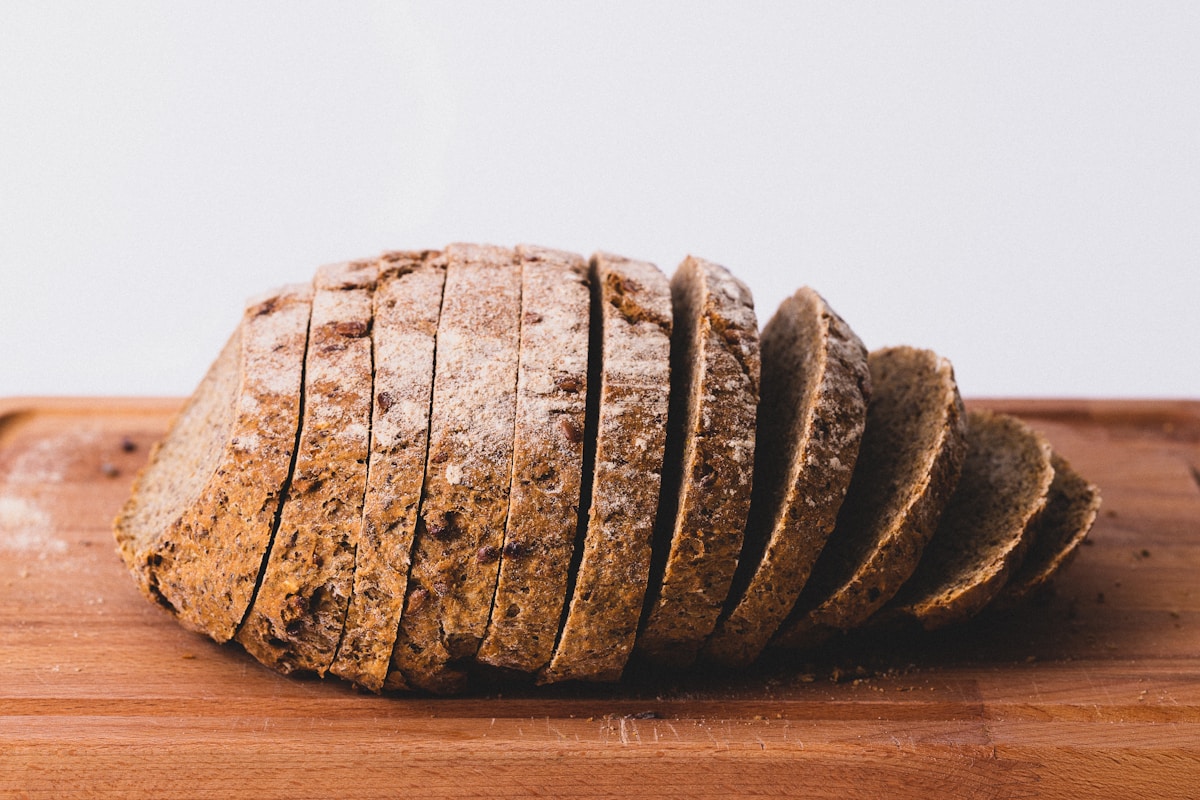
Gunn's Bakery, at 247 Selkirk Avenue, opened in 1937 as the first kosher bakery in western Canada and is the last of that original wave of Selkirk Avenue businesses still baking on the same street. It has changed hands since, most recently to new owners who kept the name and the recipes, and it still supplies rye bread, bagels, and other old-country baking to shoppers and to restaurants across the city. Current hours run Monday to Thursday and Saturday during the day, with longer hours on Friday and the shop closed Sunday; call ahead if a visit is time-sensitive.
Ross House Museum
A few blocks over, the Ross House Museum at 140 Meade Street North is a small log house that served as Western Canada's first post office. It's run as a seasonal museum, typically open on weekend and midweek afternoons through the summer months, with tours by donation. It's a modest stop, but it puts the neighbourhood's much later immigrant history in context: this was a settled corner of the Red River Settlement well before the CPR and the wave of arrivals that followed.
Beyond Selkirk Avenue
The North End's food history isn't confined to one street. Aberdeen Avenue, a short walk south, has its own long-running diners built around the same Ukrainian and Eastern European cooking that shaped the area, and the neighbourhood as a whole still has more independent, family-run kitchens per block than most of the city. None of them keep the long hours of a downtown restaurant strip, so a visit here works best as a deliberate stop rather than a spontaneous one.
Before you go
These are small, independently owned businesses, not a curated food hall, and hours can shift with the season or the owner's schedule faster than a listing gets updated. Check a business's own page or call ahead before making a special trip.
Staying at the Corydon Airbnb: the North End is on the opposite side of downtown from Corydon Avenue, a drive or a transit ride rather than a walk, so plan it as a half-day outing rather than an errand.