Winnipeg in 48 hours: a first-timer's itinerary
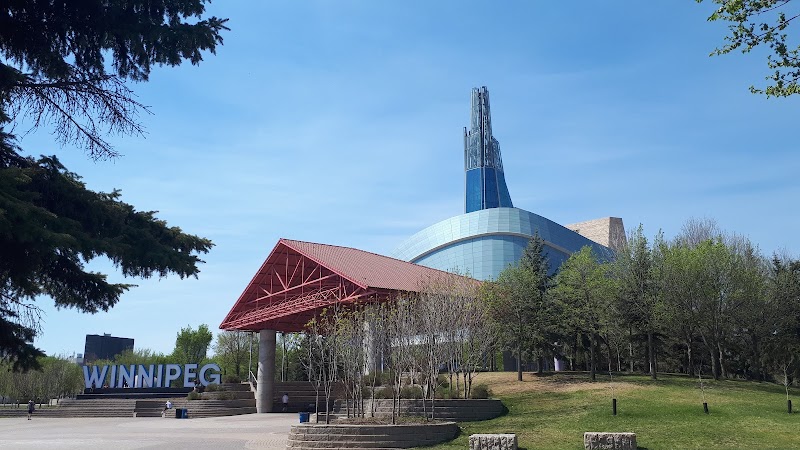
Two days is enough to get a real feel for Winnipeg if you don't try to cover the whole city. This itinerary sticks to a handful of areas you can reach without much backtracking: The Forks and downtown on day one, then a museum or a park and a neighbourhood strip for an evening on day two. Adjust the order for the season; outdoor stops work best from late spring through early fall, and the indoor stops carry the plan in winter.
Day one, morning: The Forks
Start at The Forks, the confluence of the Red and Assiniboine Rivers and the site people have gathered at for centuries before the city existed. The Forks Market has food stalls and local shops under one roof, which makes it an easy first stop after landing or checking in, and the riverwalk along both rivers gives a sense of the city's layout without needing a map. In summer, river cruises and paddleboat rentals leave from the docks here; in winter, the frozen river trail (when conditions allow) is one of the longest naturally maintained skating trails in the world.
Day one, afternoon: the Exchange District
From The Forks, it's a short walk or a quick rideshare to the Exchange District, a National Historic Site of about twenty city blocks with one of the largest collections of early-1900s warehouse architecture on the continent. The buildings now hold galleries, independent shops, restaurants, and theatres, and the district is compact enough to wander without a set route. If museums are part of the plan, the Canadian Museum for Human Rights sits right at The Forks and can be slotted into either the morning or the afternoon depending on how much time you want indoors.
Day one, evening: pick a strip
For dinner and a drink, choose one neighbourhood strip rather than trying to see several. Osborne Village, just south of downtown across the Osborne Street Bridge, has the highest concentration of bars and restaurants within walking distance of each other. Corydon Avenue in Little Italy, a bit further south in Crescentwood, has a slower, patio-and-trattoria pace and is the strip closest to this Airbnb. Either works; pick based on how far you're willing to travel that night.
Day two, morning: a museum or a park
Day two is the flexible half. If the weather is good, Assiniboine Park is the city's largest and covers an English garden, a conservatory, and the zoo's Journey to Churchill exhibit; The Leaf's indoor biomes are a year-round option inside the same park if it's raining or cold. If a museum fits better, Qaumajuq at the Winnipeg Art Gallery holds the largest public collection of contemporary Inuit art in the world and is downtown, close to where you were the day before.
Day two, afternoon: St. Boniface or one last neighbourhood
Before heading to the airport or wrapping up the trip, a walk through St. Boniface on the east side of the Red River adds a different character to the visit: the St. Boniface Cathedral ruins, Louis Riel's grave, and Provencher Boulevard's French-language storefronts are all within a compact area, reachable on foot from downtown via the Esplanade Riel pedestrian bridge. If that's already been covered or doesn't fit the route, a slower final afternoon back in whichever neighbourhood strip was skipped the night before works just as well.
Getting around
Winnipeg is spread out enough that a car or regular rideshares make the two days easier, though The Forks, the Exchange District, and downtown are close enough to cover on foot once you're there. Winnipeg Transit's bus network connects most of the areas in this itinerary; check winnipegtransit.com for current routes and fares before relying on it for a tight schedule.
Staying at the Corydon Airbnb: Corydon Avenue makes a natural home base for this itinerary since it's a short drive or rideshare from The Forks and downtown, and it's the strip to end day one on if you don't feel like crossing back into the city core for dinner.