The Nestaweya River Trail: Winnipeg's Magical Winter Skating Experience
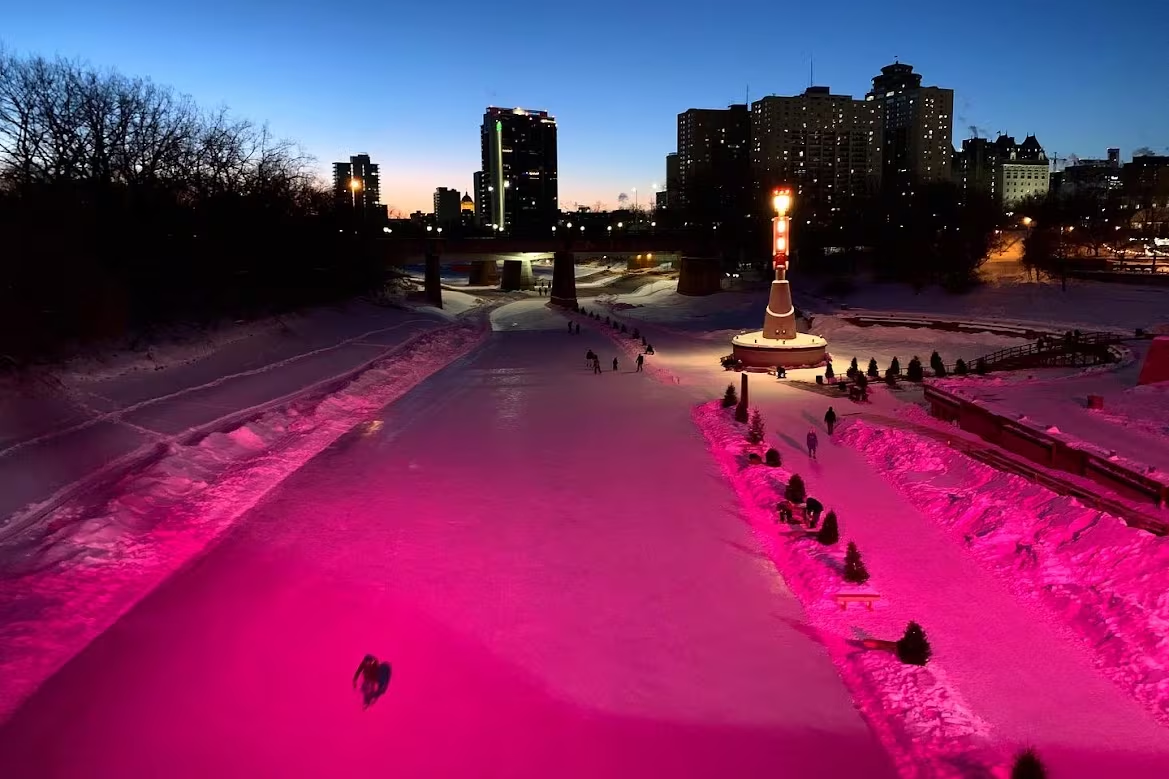
There's something truly magical about gliding across a frozen river with the Winnipeg skyline as your backdrop. The Nestaweya River Trail offers exactly that, a unique winter experience that transforms the frozen Red and Assiniboine Rivers into a 6-kilometre network of skating paths. This isn't just a skating rink; it's a celebration of winter, community, and the Indigenous heritage of The Forks, where these two great rivers meet.
The Meaning Behind the Name
The name "Nestaweya" comes from the original Cree term for The Forks, meaning "three points." This name honours the deep Indigenous history of this location, where the Red and Assiniboine Rivers converge. For over 6,000 years, this has been a gathering place for Indigenous peoples, the Anishinaabe, Cree, Oji-Cree, Dakota, and Dene peoples, and the homeland of the Métis Nation. The trail's name reflects this heritage and reminds us that we're skating on waters that have been central to human activity for millennia.
What Makes the Nestaweya River Trail Special
Unlike indoor rinks or even outdoor rinks built on land, the Nestaweya River Trail is built directly on the frozen surface of moving rivers. This creates a unique skating experience where you're literally gliding over flowing water that's been transformed by winter into a natural ice surface. The trail spans approximately 6 kilometres, offering different sections along both the Red and Assiniboine Rivers.
The trail is divided into several sections:
- The Forks Port Rink - The central hub where the trail begins
- Red River Sections - Extending from The Forks Port to Queen Elizabeth Way, and from Queen Elizabeth Way to Churchill Drive
- Assiniboine River Sections - Multiple sections extending from The Forks Port to Donald Street, Donald Street to Legislature, Legislature to Osborne Bridge, and Osborne Bridge to Hugo Docks
Activities on the Trail
The Nestaweya River Trail offers more than just skating. While skating is the primary activity, the trail also accommodates:
- Skating - The main attraction, with natural ice surfaces maintained for safe skating
- Walking and Running - Designated paths allow for walking or running along the frozen rivers
- Ice Biking - For the adventurous, ice biking is available on certain sections
- Cross-Country Skiing - Some sections are groomed for skiing
The Warming Huts: Art and Function
One of the most distinctive features of the Nestaweya River Trail is its warming huts. Each year, artists and architects from around the world design unique warming huts that serve both practical and artistic purposes. These structures provide shelter from the cold, places to rest and change skates, and they also serve as works of public art that enhance the trail experience.
The warming huts are more than just functional shelters; they're architectural installations that celebrate creativity, design, and the intersection of art and utility. Each hut has its own character and design philosophy, making the trail a gallery of contemporary architecture as well as a recreational space.
Trail Together: Community Support
The Nestaweya River Trail is supported by a unique community initiative called "Trail Together." This program allows individuals to "adopt" a metre of the trail, helping to fund its maintenance and development. This community ownership model reflects the trail's role as a shared public space and demonstrates how Winnipeggers come together to support the experiences that make their city special.
By participating in Trail Together, community members become part of the trail's story, contributing to an experience that thousands of people enjoy each winter season.
Safety and Conditions
Because the trail is built on moving water, conditions can change quickly due to weather, especially when temperatures fluctuate or after snowfall. The quality of the ice surface is not comparable to a flat surface or an indoor arena; it's a natural ice surface on a moving body of water, which requires careful maintenance and monitoring.
Important Safety Reminder: Always check current trail conditions before visiting. Conditions can change rapidly, and sections may be open, closed, or have variable conditions depending on weather and ice quality. For the most up-to-date information on trail status, visit The Forks' official Skating Trail and Park Conditions page.
Look out for warning signage while skating, and always use caution. The trail management team works hard to maintain safe conditions, but skaters need to be aware that they're on natural ice that responds to weather conditions.
Planning Your Visit
From our Airbnb in Crescentwood, The Forks and the Nestaweya River Trail are easily accessible, just a 10-minute drive or a pleasant walk along the river paths. The trail typically opens in late December or early January, depending on weather conditions, and remains open as long as ice conditions permit, usually through late February or early March.
What to Bring
- Skates - Bring your own or rent from The Forks
- Warm Clothing - Dress in layers with waterproof outerwear
- Warm Accessories - Hat, mittens, and scarf are essential
- Shoe Bag - The skate change area is available, but bring a bag for your boots and belongings
- Safety First - Check conditions before you go
Skate Change Area: The skate change area at The Forks is available for everyone using the rinks and trails. However, The Forks cannot assume responsibility for lost or stolen belongings, so it's recommended to bring a shoe bag for your boots and personal items to take with you while skating.
The Winter Park Experience
The Nestaweya River Trail is part of The Forks' larger Winter Park, which also includes:
- Skating Rinks - The Rink Under the Canopy and the Rink at CN Stage
- Skating Trails - Trails near CN Stage and Upper Trails
- Additional Amenities - Food vendors, warming areas, and facilities
This creates a comprehensive winter recreation area where you can spend hours enjoying various activities, taking breaks in warming huts, and experiencing the full magic of Winnipeg's winter.
Why the Nestaweya River Trail Matters
The Nestaweya River Trail represents more than just a recreational facility; it's a celebration of winter, a connection to Indigenous heritage, and a demonstration of how communities can transform challenging weather into opportunities for joy and connection. The trail shows how Winnipeg embraces its winter rather than hiding from it, creating experiences that are unique to this climate and this place.
For visitors, skating on the Nestaweya River Trail offers a chance to experience something truly special, a winter activity that exists nowhere else in quite the same way. It's an opportunity to connect with the rivers that have shaped Winnipeg's history, to experience the city from a unique perspective, and to participate in a community tradition that brings people together despite the cold.
Beyond the Trail
After skating, The Forks offers plenty of opportunities to warm up and continue your visit. The Forks Market features food vendors and restaurants where you can enjoy a hot meal or warm drink. The area is also home to shops, cultural attractions, and year-round activities that make The Forks a destination worth visiting regardless of the season.
Pro Tip: Visit the Nestaweya River Trail during different times of day to experience it in various lights. Early morning offers peaceful skating with fewer crowds, while evening skating provides beautiful views of the city lights reflecting on the ice. Always check trail conditions before your visit, and dress warmly; you'll want to stay out long enough to fully appreciate this unique Winnipeg experience.
A Winter Memory to Last a Lifetime
Skating on the Nestaweya River Trail is more than just recreation; it's an experience that connects you to Winnipeg's rivers, its history, and its community. Whether you're a skilled skater or just learning, whether you're a local or a visitor, the trail offers a way to embrace winter and create memories that will last long after the ice melts.
The trail reminds us that winter in Winnipeg isn't something to endure; it's something to celebrate, to enjoy, and to transform into experiences that are uniquely beautiful and meaningful. The Nestaweya River Trail is a perfect example of how this city takes its greatest challenge (the cold) and turns it into one of its greatest assets.