Walking the Manitoba Museum, gallery by gallery
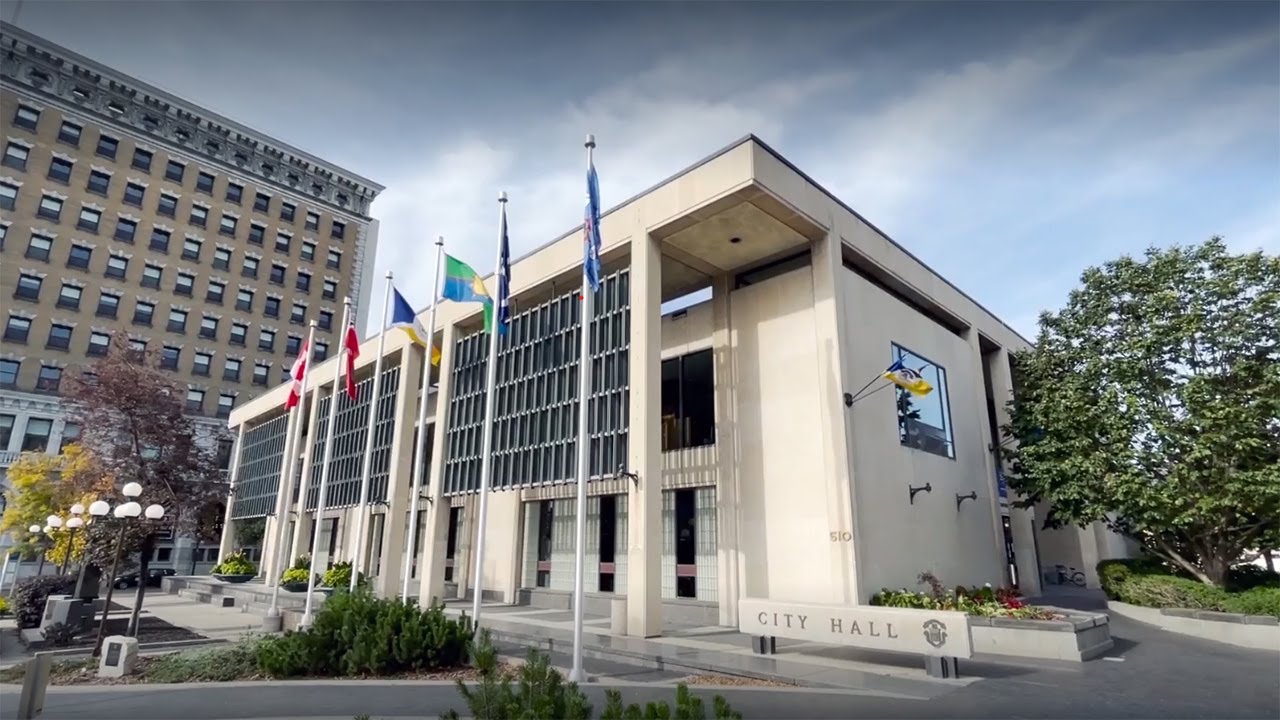
The Manitoba Museum is at 190 Rupert Avenue, on the block behind the Centennial Concert Hall and directly across Main Street from City Hall. Nine galleries, a full-dome planetarium and a hands-on science gallery sit under one roof, and one pass gets you into all three. That last part is worth knowing before you arrive: the museum does not sell single-attraction tickets, and it does not sell individual planetarium show tickets either. You buy the pass or you buy nothing, which changes how you should plan the day.
What follows is the route we would take through it, in the order the building gives you.
Arriving at Main and James
Come by bus if you can. The Centennial Concert Hall, next door, is served by routes FX2, FX3, F8, D16 and 43, and the northbound stop on Main at James, number 10629, sits directly in front of the hall. From there it is two or three minutes on foot around to Rupert. The southbound equivalent, stop 10635 at Main and William, is the City Hall stop across the road. If you are driving, the Centennial Centre has its own parking and the surrounding Exchange District lots fill from the Main Street side first.
Check the planetarium timetable before you take your coat off, because it is the one part of the visit you cannot move. The planetarium runs Tuesday through Sunday and is dark on Mondays. Tuesday to Friday there are two shows, late morning and mid-afternoon; weekends add more, starting around eleven. Doors open ten minutes before each show and seating is first come, first served, so a show you want badly is a show you queue for. Build the rest of the walk around whichever slot you choose.
The Welcome Gallery through Earth History
You start in the Welcome Gallery, which is built around a bison. Not a quiet one: the gallery puts you under a stampede and makes the noise of it, which is a brisk way of saying that this is a museum about a place, not a cabinet of things. Give it five minutes and move on.
Earth History is next and it is the gallery most people underrate. Manitoba spent long stretches of its past under a warm sea, and the fossils here come out of that: Ordovician seafloor at one end, and at the other a pliosaur from the Cretaceous ocean that covered the province about ninety million years ago. Marine reptile fossils of this quality usually come with a long explanation of why they matter. These do not need one. Allow twenty minutes, more if you have a child who likes teeth.
North through the Arctic, the Boreal Forest and the Parklands
From here the museum walks you north through Manitoba's ecological zones, which is a tidier organising idea than it sounds, because the province genuinely does stack that way. The Arctic and Sub-Arctic Gallery has a polar bear and a herd of caribou mid-migration. The Boreal Forest follows. The Parklands Gallery holds the piece of craft that visitors most often remember afterwards: a painted mural twenty-seven metres long, wrapped around the room, so that whichever way you turn you are inside the landscape rather than looking at a picture of it. Stand in the middle of that room for a minute before you move on. The dioramas reward slow looking, and this is the stretch of the museum where rushing costs you the most.
The Nonsuch, which is why most people come
Then you turn a corner and there is a ship.
The Nonsuch is a full-size replica of the seventeenth-century ketch whose 1668 voyage into Hudson Bay led to the founding of the Hudson's Bay Company. It is not a model behind glass. It sits in a recreated quayside at Deptford, in England, as the port would have looked in the 1660s, and you walk the dock and go aboard. The replica was built in Devon, sailed roughly fourteen thousand kilometres, and arrived here in 1974, after which the museum was finished around it. That order of construction is the reason the gallery works: the room was made for the ship rather than the other way round.
The Hudson's Bay Company Gallery sits alongside it and carries the story forward, which is a harder and more contested history than a ship on a dock. Do not walk past it. Half an hour across both, and longer if the ship is quiet.
Ending on a 1920s street
The Prairies Gallery and then the Winnipeg Gallery close the circuit. The Winnipeg Gallery, added in 2019, puts you on a city street on an autumn evening in 1920, with the shopfronts lit and the pavement under your feet. It lands differently if you have spent the morning walking the real Exchange District outside, where a good number of those same buildings are still standing and still in use. Save it for last for that reason.
That leaves the Science Gallery, which opened in 2008 and holds more than a hundred hands-on exhibits. With children, do not save it for last. They will have nothing left by then. Put it before the Nonsuch, or split the day and come back to it after the planetarium show.
Before you go: Planetarium showtimes, the show rotation and the museum's opening hours all change with the season, and the pass covers all three attractions on the day you visit. Confirm the timetable at manitobamuseum.ca before you plan the rest of your afternoon around a show.
How long the whole thing takes
Three hours is honest for the nine galleries at an adult pace, four if you read the labels. Add forty-five minutes for a planetarium show and the queue before it, and an hour in the Science Gallery if anyone under twelve is with you. That is a full day and the pass is priced as one, so treat it as the day rather than as a stop on the way to something else.
Late autumn is the right season for this. Once the clocks go back at the start of November the sun is down in Winnipeg before five in the afternoon, and a building that gives you a warm sea, a boreal forest and a lit street in 1920 is a better use of a short grey day than anything outdoors. It is also an easy day to pair with the Exchange District a block north, if the wind is behaving.
Our three-bedroom house is in Crescentwood, south of the Assiniboine. Portage and Main is nine minutes away by car, 3.9 kilometres, and the museum sits a few blocks north of that corner on the same street. By bus it is the D19 Corydon downtown to the Kennedy Street terminal, then roughly fifteen minutes on foot east and north to Main, or a short transfer if the weather has turned. Our Airbnb listing has the dates.