Canadian Museum for Human Rights: A Journey of Understanding
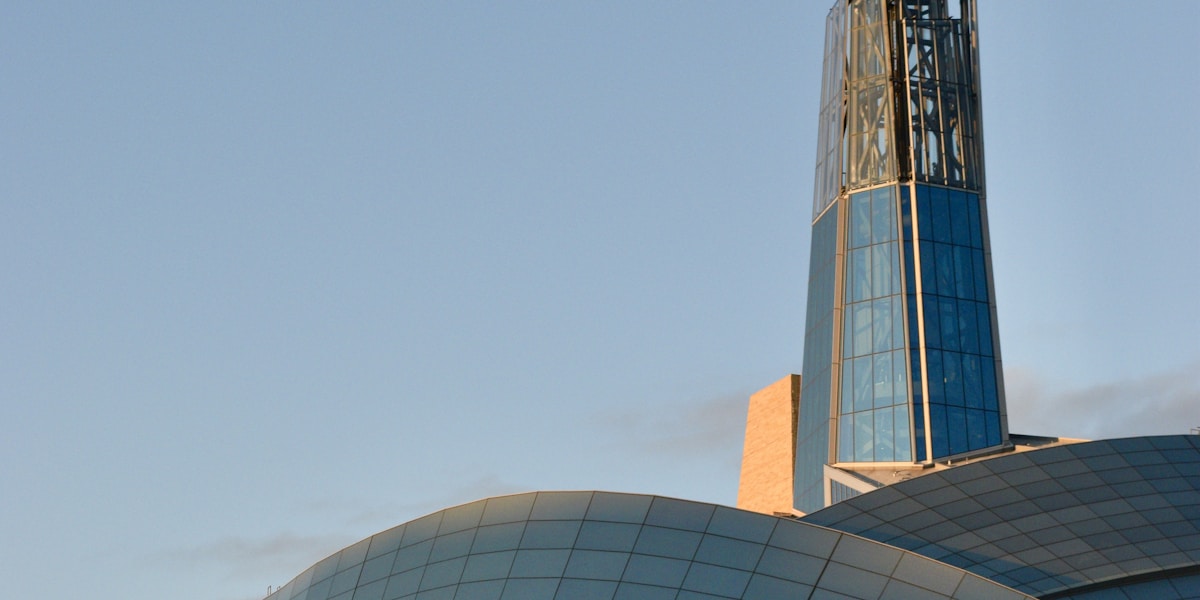
Rising from the banks of the Red River, the Canadian Museum for Human Rights (CMHR) stands as one of Winnipeg's most iconic and meaningful landmarks. As Canada's national museum dedicated to human rights, it's not just a building; it's a journey through the struggles, triumphs, and ongoing work of human rights around the world. A visit here is transformative, educational, and essential for anyone seeking to understand both Canada's history and the universal quest for dignity and justice.
An Architectural Marvel
Designed by architect Antoine Predock, the museum's striking design is itself a statement. The building appears to rise from the earth like a dove taking flight, with its white alabaster and glass exterior creating a sense of lightness and hope. The interior is designed as a journey upward, with ramps and galleries that guide visitors from darkness toward light, a powerful metaphor for the human rights movement itself.
The museum's Tower of Hope offers panoramic views of Winnipeg and the surrounding landscape, providing a moment of reflection after experiencing the powerful exhibits below.
The Exhibits: Stories That Matter
The CMHR's permanent galleries take visitors on a journey through human rights history, with a particular focus on Canadian stories while connecting to global movements. The exhibits are thoughtfully designed, using multimedia, artifacts, and personal testimonies to bring history to life.
Indigenous Perspectives
The museum dedicates significant space to the experiences of Indigenous peoples in Canada, including the residential school system, the Sixties Scoop, and ongoing struggles for rights and recognition. These exhibits are developed in partnership with Indigenous communities, ensuring authentic voices and perspectives are centered.
Holocaust Gallery
One of the museum's most powerful sections explores the Holocaust, using personal stories, artifacts, and historical context to help visitors understand this dark chapter in human history. The gallery serves as a reminder of what can happen when human rights are systematically violated.
Canadian Journeys
Explore the stories of various groups who have fought for rights in Canada, including women's suffrage, LGBTQ2+ rights, disability rights, and the experiences of immigrants and refugees. These exhibits celebrate progress while acknowledging ongoing challenges.
Breaking the Silence
This gallery addresses human rights violations around the world, from genocides to modern-day slavery, encouraging visitors to think about their role in preventing and addressing these issues.
Special Exhibitions
In addition to its permanent galleries, the CMHR hosts rotating special exhibitions that explore contemporary human rights issues, celebrate activists and movements, and provide deeper dives into specific topics. Check the museum's website before your visit to see what special exhibitions are currently on display.
Interactive Experiences
The museum uses cutting-edge technology to create immersive experiences. Interactive displays, multimedia presentations, and digital archives allow visitors to explore topics in depth. The museum's approach makes complex and often difficult topics accessible to visitors of all ages.
Planning Your Visit: The museum is a full-day experience. Plan to spend at least 3-4 hours to fully explore the galleries. The content can be emotionally challenging, so take breaks as needed. The museum offers quiet spaces for reflection. Consider taking a guided tour for deeper insights, and don't miss the view from the Tower of Hope.
Educational Programs
The CMHR offers extensive educational programming for schools, groups, and individuals. Workshops, lectures, and special events provide opportunities to engage more deeply with human rights issues. The museum's commitment to education extends beyond its walls, with online resources and traveling exhibitions.
Accessibility and Inclusion
The museum is designed to be accessible to all visitors, with features including wheelchair accessibility, audio guides, sign language interpretation, and materials in multiple languages. The building itself demonstrates the museum's commitment to inclusion and accessibility.
Getting There
The Canadian Museum for Human Rights is located at The Forks, making it easy to combine a visit with exploring that historic site. From our Airbnb in Crescentwood, it's about a 10-minute drive or easily accessible by public transit. The museum is open year-round, with extended hours in summer.
Why This Museum Matters
The Canadian Museum for Human Rights is more than a collection of exhibits; it's a call to action. It challenges visitors to think about their own role in promoting and protecting human rights. The museum doesn't shy away from difficult topics, but it also celebrates the progress that has been made and the people who have fought for change.
Visiting the CMHR is an emotional experience. You'll likely feel sadness, anger, hope, and inspiration all in one visit. But that's the point, human rights aren't abstract concepts. They're about real people, real struggles, and real victories. The museum makes these stories tangible and personal.
A Place for Reflection and Action
As you leave the museum, you'll find yourself thinking differently about the world and your place in it. The CMHR doesn't just teach history; it inspires action. It shows that change is possible, that individuals can make a difference, and that the fight for human rights continues today.
Whether you're a history buff, a social justice advocate, or simply someone who wants to understand more about Canada and the world, the Canadian Museum for Human Rights is an essential Winnipeg experience. It's a place that will stay with you long after you leave, inspiring reflection, conversation, and perhaps even action.
Plan your visit, allow yourself time to fully experience the galleries, and be open to the powerful stories you'll encounter. The Canadian Museum for Human Rights is not just a museum; it's a journey toward understanding, empathy, and hope.